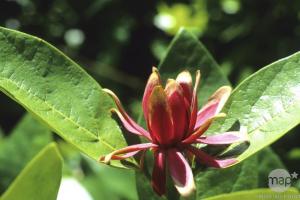


Papaver orientale 'Oriental Poppy Mix'
Poppy
Photo of Papaver orientale 'Oriental Poppy Mix' - Poppy
No photo for the moment for Papaver orientale 'Oriental Poppy Mix' - Poppy

Please note: You must be the owner of the posted photo and it must not be copyrighted.
Things You Must Knows cannot be held responsible for photos posted in violation of this rule
Common Name:
Plant Type:
Foliage color:
GreenSun (From 0 to 5):
Water (From 0 to 5):
Maximum temperature:
Minimum temperature:
Maximum height:
Maximum width:
Poppy (Papaver orientale 'Oriental Poppy Mix') - Description
The fragile beauty and shimmering colors of all poppies are magical. They practically grow themselves, which is why they were essentials in remote cottage gardens. Huge flowers in a fine range of brilliant colors from scarlet to pink with deep purple centers are borne profusely each year following the one in which the seed is sown. Foliage dies back in midsummer,and reappears in fall or the following spring.
Poppy (Papaver orientale 'Oriental Poppy Mix') - Blooming
Generally, Poppies bloom in the spring and summer with a variety of colors. Followed by seed pods.
Poppy (Papaver orientale 'Oriental Poppy Mix') - Growth
Poppies can be grown in containers, raised beds and pretty much anywhere that has well-drained soil. Grows best in full sun.
Poppy (Papaver orientale 'Oriental Poppy Mix') - Planting
Poppies are easily grown from the seed and generally self-sow. Annuals and biennials should be sown "in situ", while perennials should be sown in containers in a cold frame (for protection). Can also propagate perennials from root cuttings in late fall or early winter, or by division in spring.
Poppy (Papaver orientale 'Oriental Poppy Mix') - Pest
Papaver is susceptible to powdery mildew, gray mold, leaf smut, root rot, and damping off.
Poppy (Papaver orientale 'Oriental Poppy Mix') - Interesting facts
When cut or damaged, the stems of Papaver expel latex.
Poppy (Papaver orientale 'Oriental Poppy Mix') - Soil and irrigation
Does well with most soils as long as they are well drained. The Alpine Poppy (P. alpinum) requires especially fast draining soils that would resemble the rocky slopes of where they evolved.