

Parrotia persica
Persian Parrotia
Photo of Parrotia persica - Persian Parrotia
No photo for the moment for Parrotia persica - Persian Parrotia

Please note: You must be the owner of the posted photo and it must not be copyrighted.
Things You Must Knows cannot be held responsible for photos posted in violation of this rule
Common Name:
Flower color:
Foliage color:
GreenSun (From 0 to 5):
Water (From 0 to 5):
Maximum temperature:
Minimum temperature:
Maximum height:
Maximum width:
Persian Parrotia (Parrotia persica) - Description
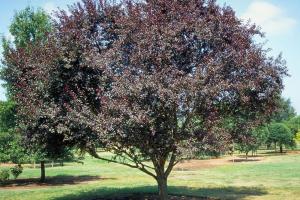
P. persica is native to Iran. It bears oval, 3 to 6 inch long leaves. It is a colorful tree, attractive in all seasons. In the autumn, the leaves usually turn golden yellow, then orage or rosy pink, then finally, scarlet. It also produces dense clusters of tiny flowers with red stamens, which appear in late winter or early spring before the leaves open.
Persian Parrotia (Parrotia persica) - Blooming
Tree blooms petalless flowers with red stamens which will generally appear in spring before the leaves open. For the best fall color, grow plants in acidic soil.
Persian Parrotia (Parrotia persica) - Growth
The Persian Parrotia is a slow growing tree and can grow to approx. 30 ft. or more, but tends to be a shrub. Grows best in full sun or partial shade. Works well in a woodland garden, but make sure to grow in an open site as the tree can become quite large.
Persian Parrotia (Parrotia persica) - Planting
Sow seeds in fall in containers in a cold frame (for protection). Can also propagate with greenwood cuttings and semi-ripe cuttings in summer.
Persian Parrotia (Parrotia persica) - Pest
Uncommon.
Persian Parrotia (Parrotia persica) - Interesting facts
There is only one known species of Parrotia, native to the forests of the Caucasus and Northern Iran.
Persian Parrotia (Parrotia persica) - Soil and irrigation
The Persian Parrotia is not fussy about soil but does require moderate water. Does best in deep, well-draining soil that is kept moist and fertile.