

Pieris japonica
Lily-of-the-Valley
Photo of Pieris japonica - Lily-of-the-Valley
No photo for the moment for Pieris japonica - Lily-of-the-Valley

Please note: You must be the owner of the posted photo and it must not be copyrighted.
Things You Must Knows cannot be held responsible for photos posted in violation of this rule
Common Name:
Plant Type:
Flower color:
Sun (From 0 to 5):
Water (From 0 to 5):
Maximum temperature:
Minimum temperature:
Maximum height:
Maximum width:
Lily-of-the-Valley (Pieris japonica) - Description
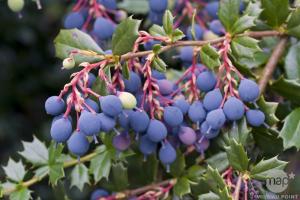
Lily-of-the-valley (Pieris japonica) is a woody evergreen perennial shrub native from eastern China to Taiwan and is the most common species of Pieris. The plant is hardy in zones 6a-8b and tends to be a bit heat sensitive or doesn't flourish in places with excessively warm summers. Lily-of-the-valley is a slow growing plant taking anywhere from 10-20 years to reach maturity. At maturity the plant can reach heights of 10-12 feet with a width of 8-10 feet if not pruned. One of the most memorable features of this plant is the bright red foliage in spring. When the new leaves open in spring they are a beautiful red color turning bronze in the summer then dark green in the fall. Lily-of-the-valley blooms April through May. It has large groups of hanging urn shaped long lasting white flowers. The white flowers precede small black berries that form in summer.
Lily-of-the-Valley (Pieris japonica) - Blooming
The flowers of Lily-of-the-valley (Pieris japonica) form in 6 inch long hanging clusters from April through May that form at the end of the stems. These clusters are long lived and are white in color. After blooming flowers turn into black berries in the summer.
Lily-of-the-Valley (Pieris japonica) - Growth
Lily-of-the-valley (Pieris japonica) is a slow growing plant taking up to 10-20 years to reach maturity. This should be taken into consideration during growth. It eventually reaches heights of 10-12 feet and widths of 8-10 feet. The plant is evergreen so it will not lose it's foliage during the winter. Lily-of-the-valley can be grown in full sun to full shade but prefers partial shade to partial sun to perform best. When grown in full sun or shade bloom and foliage color will not be as good.
Lily-of-the-Valley (Pieris japonica) - Planting
When transplanting Lily-of -the-valley (Pieris japonica) to the landscape be sure to choose a location with partial sun that has a well draining humus rich acidic soil. Lily-of-the-valley is intolerant to neutral or alkaline soil types. Dig a hole twice the size of the root ball and deep enough that it sits flush with the soil surface. Fill in the remaining space around the root ball with loose top soil and water in well.When growing in a container be aware that Lily-of-the-valley is a slow growing plant. Be sure to pick a container that has sufficient drainage holes and isn't too big to properly support it's growth. Choose a well draining peat based potting soil. Plant the root ball so the top sits flush with the soil surface. Use a water soluble acid fertilizer for the first irrigation to establish a low soil pH from the start.
Lily-of-the-Valley (Pieris japonica) - Pest
Common pests of Lily-of-the-valley (Pieris japonica) are lacebug and spider mites. Common diseases are Phytophora root rot and leaf spot.
Lily-of-the-Valley (Pieris japonica) - Interesting facts
The name Pieris is derived from the Latin word Pierides, a substitute name for the mythological Muses, or the goddess of art. The word japonica translates as "from Japan".
Lily-of-the-Valley (Pieris japonica) - Soil and irrigation
Lily-of-the-valley (Pieris japonica) needs to have a well draining humus rich acidic soil. The plant will not tolerate neutral to alkaline soil types. Chlorosis or yellow foliage and poor growth are certain to occur to plants put into those soil types. The higher pH causes nitrogen a key element essential to plant growth in the soil to not be available for the roots to absorb.During the first season of growth after transplant Lily-of-the-valley needs to be irrigated well until established. After becoming established plants are some what drought tolerant and should only be irrigated when the soil is dry.