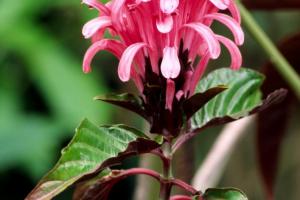


Pimpinella major
Greater Burnet-Saxifrage
Photo of Pimpinella major - Greater Burnet-Saxifrage
No photo for the moment for Pimpinella major - Greater Burnet-Saxifrage

Please note: You must be the owner of the posted photo and it must not be copyrighted.
Things You Must Knows cannot be held responsible for photos posted in violation of this rule
Common Name:
Sun (From 0 to 5):
Water (From 0 to 5):
Maximum temperature:
Minimum temperature:
Greater Burnet-Saxifrage (Pimpinella major) - Description
Pimpinella major, common name Greater Burnet-saxifrage or Hollowstem Burnet Saxifrage, is a herbaceous perennial plant in the genus Pimpinella belonging to the Carrot family (Apiaceae).
Greater Burnet-Saxifrage (Pimpinella major) - Blooming
Blooms star-shaped flowers in colors such as white, yellow, pink, or purple.
Greater Burnet-Saxifrage (Pimpinella major) - Growth
Annuals, biennials, and perennials with hairy stems. Grows best in full sun or some partial shade. Excellent for containers. Most species work well in a wild garden. P. major 'Roseas' is often grown in a border. Anise needs atleast 120 days of warm weather for best growth. Where warm seasons are shorter, start seedlings indoors before the last frost and set out after the threat of frost has passed.
Greater Burnet-Saxifrage (Pimpinella major) - Planting
When ripe, sow seeds in containers in spring when the danger of frost is no more. Try not to damage the taproots when transplanting.
Greater Burnet-Saxifrage (Pimpinella major) - Pest
Vulnerable to slugs, snails, aphids, and leaf spots.
Greater Burnet-Saxifrage (Pimpinella major) - Interesting facts
Found in many places, including grasslands, hedgerows, and woodlands. Occur mostly in Europe, North Africa, Asia, and South America.
Greater Burnet-Saxifrage (Pimpinella major) - Soil and irrigation
Will grow in any soil, but prefers soil that is fertile, moist, and slightly acidic.