

Populus alba
White Poplar
Photo of Populus alba - White Poplar
No photo for the moment for Populus alba - White Poplar

Please note: You must be the owner of the posted photo and it must not be copyrighted.
Things You Must Knows cannot be held responsible for photos posted in violation of this rule
Common Name:
Flower color:
Foliage color:
GreenSun (From 0 to 5):
Water (From 0 to 5):
Maximum temperature:
Minimum temperature:
Maximum height:
Maximum width:
White Poplar (Populus alba) - Description
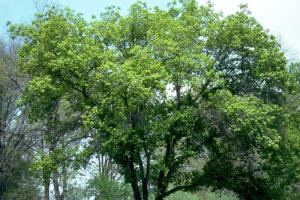
Populus alba, commonly called abele, silver poplar, silverleaf poplar, or white poplar, is a species of poplar, most closely related to the aspens (Populus sect. Populus). It is native from Morocco and the Iberian Peninsula through central Europe (north to Germany and Poland) to central Asia. It grows in moist sites, often by watersides, in regions with hot summers and cold to mild winters.
White Poplar (Populus alba) - Blooming
Male and female catkins on separate trees borne in late winter or spring before the leaves.
White Poplar (Populus alba) - Growth
Fast-growing deciduous trees, native to northern temperate zone. White or gray park, and leaves that flutter gracefully in the wind. Invasive root systems, so avoid growing within 100' of a building. Populus does best in full sun. P. alba and P. x canescens flourish in coastal regions. Populus works best as a windbreak.
White Poplar (Populus alba) - Planting
Propagate from hardwood cuttings in winter. Can also propagate from suckers in fall or late winter.
White Poplar (Populus alba) - Pest
Leaf miners, borers, scale insects, caterpillars, and leaf hoppers. Populus is also prone to canker, butt rot, powdery mildew, root rot, dieback, leaf blister, white rot, rust, and crown gall.
White Poplar (Populus alba) - Interesting facts
The name Cottonwood comes from the fluffy white seeds produced by the female catkins. (Catkins are the specific term for a type of inflorescence of flowers that is found in the Populus genus. The leaf buds and unfolding leaves are often aromatic. Some of the most massive living things on earth are colonies of poplar that spread through root suckers, one in Utah is nick-named "Pando" and is an estimated at well over 6,000 tons.
White Poplar (Populus alba) - Soil and irrigation
Moist, but well-drained soils that are deep and rich. Does not tolerate over-watering. P. alba and P. x canescens can withstand dry conditions.