

Prosopis velutina
Black Mesquite
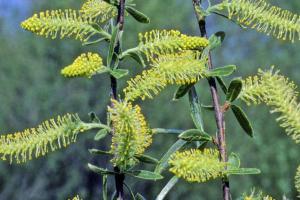
Photo of Prosopis velutina - Black Mesquite
No photo for the moment for Prosopis velutina - Black Mesquite

Please note: You must be the owner of the posted photo and it must not be copyrighted.
Things You Must Knows cannot be held responsible for photos posted in violation of this rule
Common Name:
Flower color:
Foliage color:
GreenSun (From 0 to 5):
Water (From 0 to 5):
Maximum temperature:
Minimum temperature:
Maximum height:
Maximum width:
Black Mesquite (Prosopis velutina) - Description
Prosopis velutina, commonly known as velvet mesquite, is a small to medium sized perennial tree. It is a legume adapted to a dry, desert climate. Though considered to be a noxious weed in states outside its natural range, it plays a vital role in the ecology of the Sonoran Desert.
Black Mesquite (Prosopis velutina) - Growth
Can be used for erosion control, a wind break or a screen.
Black Mesquite (Prosopis velutina) - Planting
Sow seeds where you want to the plant to grow (be it indoors in a container or outside if your climate permits) when the seeds are ripe. Root cuttings in summer. Provide excellent drainage for the cuttings.
Black Mesquite (Prosopis velutina) - Pest
Prone to rust and root rots. Excellent draining soil helps prevent root rot.
Black Mesquite (Prosopis velutina) - Interesting facts
Wood is used in flavoring smoked and grilled meats. The flowers can be used for the production of honey. The fruits can be used in cattle feed. Some of the desert mesquites have the ability to prevent seeds of other plants from successfully germinating. The plant exudes a compound, believed to be L-tryptophan amongst others, that inhibits seed germination. This process is called allelopathy. Having allelopathic properties decreases the chance of competition from other plants.
Black Mesquite (Prosopis velutina) - Soil and irrigation
Little to no water. Does best in sandy soil.