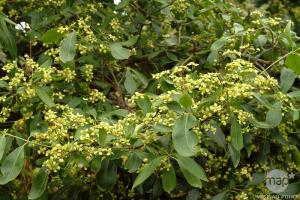


Sambucus canadensis
American Elderberry
Photo of Sambucus canadensis - American Elderberry
No photo for the moment for Sambucus canadensis - American Elderberry

Please note: You must be the owner of the posted photo and it must not be copyrighted.
Things You Must Knows cannot be held responsible for photos posted in violation of this rule
Common Name:
Flower color:
Foliage color:
GreenSun (From 0 to 5):
Water (From 0 to 5):
Maximum temperature:
Minimum temperature:
Maximum height:
Maximum width:
American Elderberry (Sambucus canadensis) - Description
Sambucus canadensis (American Elderberry) is a species of elderberry native to a large area of North America east of the Rocky Mountains, and south through eastern Mexico and Central America to Panama. It grows in a variety of conditions including both wet and dry soils, primarily in sunny locations.
American Elderberry (Sambucus canadensis) - Blooming
Blooms clusters of creamy-white flowers in early summer followed by berries in late summer.
American Elderberry (Sambucus canadensis) - Growth
Fast growing deciduous shrubs. Easy to grow. Does well in full sun or light shade. Height varies depend on species.
American Elderberry (Sambucus canadensis) - Planting
Sow the seeds in autumn and provide protection from the cold for the young plants. Cuttings can be taken in the winter (if you're cutting mature wood) or in the summer if you're cutting young shoots.Elder self-sows by seeds and suckers.
American Elderberry (Sambucus canadensis) - Pest
Birds are the biggest threat to elderberry. As the berries start to ripen, wrap the shrubs with bird netting or use scare devices to ward off birds.
American Elderberry (Sambucus canadensis) - Interesting facts
The berries of elderberries have many uses. Besides being a food source for many local birds, they are good for human consumption as well. When unripe, they are slightly toxic and should be avoided; however, when fully ripe they are sweet enough to make jams, juices and wines. All green parts of the plant are poisonous because of the plant's cyanogenic properties (they can make cyanide and cyanide-like compounds). Although there is a stark resemblance between the genus name Sambucus and the alcoholic drink sambuca, they share little more in common. Sambuca is not made from the berries of elder. Elder trees were thought to have special powers. Its wood allegedly could ward off the evil eye and could provide protection from the evil spells of witches.
American Elderberry (Sambucus canadensis) - Soil and irrigation
Elderberry trees require moderate waterings. Soil should be well-draining, moderately fertile, and rich in organic matter.