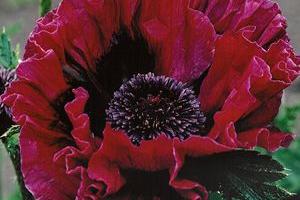


Sempervivum tectorum 'Red Beauty'
Houseleeks
Photo of Sempervivum tectorum 'Red Beauty' - Houseleeks
No photo for the moment for Sempervivum tectorum 'Red Beauty' - Houseleeks

Please note: You must be the owner of the posted photo and it must not be copyrighted.
Things You Must Knows cannot be held responsible for photos posted in violation of this rule
Common Name:
Plant Type:
Flower color:
Sun (From 0 to 5):
Water (From 0 to 5):
Maximum temperature:
Minimum temperature:
Maximum height:
Maximum width:
Houseleeks (Sempervivum tectorum 'Red Beauty') - Description
Distinctive coloring and great visual interest make Sempervivum tectorum 'Red Beauty' an attention-grabbing plant for your landscape. Medium sized, fairly open rosettes sport grey-green leaves with blood-red tips that can vary in color from season to season. 'Red Beauty' consists of one large rosette (the "hen") and many smaller rosettes (the "chicks") which can be pulled up and replanted elsewhere to start new plants.
Houseleeks (Sempervivum tectorum 'Red Beauty') - Blooming
In summer, the full-grown rosettes (hens) produce a loose panicle of small pink, purplish, or white star-shaped flowers somewhat resembling daisies. The hens die after flowering.
Houseleeks (Sempervivum tectorum 'Red Beauty') - Growth
Rosette-forming perennials with succulent, evergreen leaves. They spread slowly to form low, dense mats by producing new offsets at the end of runners. Does best in full sun.
Houseleeks (Sempervivum tectorum 'Red Beauty') - Planting
Divide clumps or pick off individual "chicks" and plant them anytime during the primary growing season (spring and early summer). Sow seeds in an area that is protected from the cold. Do this in the spring.
Houseleeks (Sempervivum tectorum 'Red Beauty') - Pest
Prone to Endophyllum rust.
Houseleeks (Sempervivum tectorum 'Red Beauty') - Interesting facts
Members of the genus Sempervivum are often times covered with a web of hairs, or trichomes, which form a mat over the plant. These mats of hairs are mostly white, which provides a reflective barrier that prevents excessive absorption of solar radiation. If the plant absorbs too much light it can overheat and as a result will suffer. The mats of hairs also provide a boundary of air around the surface of the plants which can decrease the rate of water loss from the plants. The genus Sempervivum is in the family Crassulaceae. This family is known to have a special type of metabolism that combats excess water loss. The webs of hairs are another anatomical feature used to prevent high rates of water loss.
Houseleeks (Sempervivum tectorum 'Red Beauty') - Soil and irrigation
Poor to average, well-drained soil. Drought tolerant.