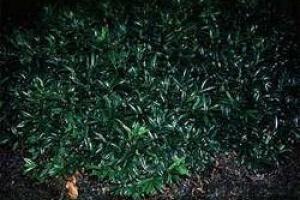


Silene dioica
Campion
Photo of Silene dioica - Campion
No photo for the moment for Silene dioica - Campion

Please note: You must be the owner of the posted photo and it must not be copyrighted.
Things You Must Knows cannot be held responsible for photos posted in violation of this rule
Common Name:
Sun (From 0 to 5):
Water (From 0 to 5):
Maximum temperature:
Minimum temperature:
Campion (Silene dioica) - Description
Red campion (Silene dioica, syn. Melandrium rubrum) is a flowering plant in the family Caryophyllaceae, native throughout central, western and northern Europe, and locally in southern Europe. It is a herbaceous biennial or perennial plant, with dark pink to red flowers, each 1. 8-2. 5 cm across. The flowers are unscented.
Campion (Silene dioica) - Blooming
Mostly red or purple flowers that bloom in anywhere from Spring to Autumn depending on the species.
Campion (Silene dioica) - Growth
Annuals, biennials, and deciduous or evergreen perennials. There are several species from separate climates that require different growth needs. Most species are creepers, but S. californica (California Indian Pink) can reach 1 ft. tall. Smaller species work well in a rock garden, while taller ones grow best at the front of a border. Annuals work well as bedding in mixed or annuals borders. Grow alpine species in containers in an alpine house or in scree beds.
Campion (Silene dioica) - Planting
Self-seeds freely. Propagate from the seed. Sow perennials in fall in containers in a cold frame. Can also use basal cuttings in spring. Hardy annuals can be sown directly into the ground in fall or spring. Tender species should be sown at 61-66°F (16-19°C) and then planted out after the threat of frost has passed.
Campion (Silene dioica) - Pest
Slugs, snails, aphids, spider mites, and whiteflies. Also prone to rust, stem and leaf fungi, and smut.
Campion (Silene dioica) - Soil and irrigation
All species in this genus require well-drained soil. Most do well in neutral to alkaline soil that is medium rich. S. hookeri prefers acidic soil. Alpine species need soil with excellent drainage. Grow in gritty soil in a scree bed. In an alpine house, grow in containers composed of equal proportions of soil based potting mix and sharp grit.