

Sisyrinchium californicum
Yellow-Eyed Grass
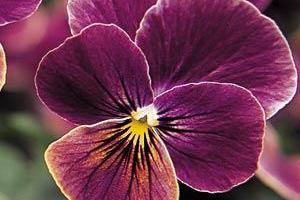
Photo of Sisyrinchium californicum - Yellow-Eyed Grass
No photo for the moment for Sisyrinchium californicum - Yellow-Eyed Grass

Please note: You must be the owner of the posted photo and it must not be copyrighted.
Things You Must Knows cannot be held responsible for photos posted in violation of this rule
Common Name:
Sun (From 0 to 5):
Water (From 0 to 5):
Maximum temperature:
Minimum temperature:
Yellow-Eyed Grass (Sisyrinchium californicum) - Description
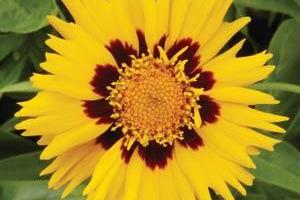
Sisyrinchium californicum is a species of flowering plant in the iris family known by the common names yellow-eyed grass, golden-eyed grass, and golden blue-eyed grass. It is native to the west coast of North America from British Columbia to central California, where it grows in moist habitat, often in coastal areas.
Yellow-Eyed Grass (Sisyrinchium californicum) - Blooming
Blooms star, cup, or trumpet shaped flowers in a range of colors such as white, yellow, blue, and mauve.
Yellow-Eyed Grass (Sisyrinchium californicum) - Growth
Does best with full sun exposure. Where Sisyrinchium is not growing hardy, raise plants in a cool greenhouse or alpine house. Cool greenhouses have a minimum temperature of 35ºF (2ºC). During the day, set temperatures between 41-50ºF (5-10ºC), and at night, keep the temperature at 36ºF (2ºC). Where hardy, smaller species work nicely in a rock garden or gravel planting. Taller ones are suitable for a herbaceous border.
Yellow-Eyed Grass (Sisyrinchium californicum) - Planting
Propagate from the seed. Sow seeds in containers in a cold frame in fall or early spring. Cold frames are protective structures, located outside for propagating and growing plants. Some species self seed freely, like S. californicum, S. graminoides, and S. idahoense. Conduct division in spring. Division entails propagating a plant by splitting it into 2 or more parts. Each part has its own root system and more than one shoot or dormant bud.
Yellow-Eyed Grass (Sisyrinchium californicum) - Pest
Affected by spider mites, aphids, and rust.
Yellow-Eyed Grass (Sisyrinchium californicum) - Interesting facts
There around 90 known species in the genus Sisyrinchium, native to North and South America. They are found in a wide range of habitats including mountainous regions, meadows, and coastal sands. Some of the shallow rooted species may die suddenly after some years.
Yellow-Eyed Grass (Sisyrinchium californicum) - Soil and irrigation
Grows best in soil that is poor to moderately fertile, well-drained, and neutral to slightly alkaline. Protect plants from excessive moisture during the winter.