

Smilax rotundifolia
Brambles
Photo of Smilax rotundifolia - Brambles
No photo for the moment for Smilax rotundifolia - Brambles

Please note: You must be the owner of the posted photo and it must not be copyrighted.
Things You Must Knows cannot be held responsible for photos posted in violation of this rule
Common Name:
Foliage color:
GreenSun (From 0 to 5):
Water (From 0 to 5):
Maximum temperature:
Minimum temperature:
Maximum height:
Maximum width:
Brambles (Smilax rotundifolia) - Description
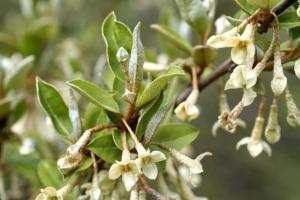
Smilax rotundifolia, known as common greenbrier, is a woody vine native to the Eastern United States. The leaves are glossy green, petioled, alternate, and circular to heart-shaped. They are generally 5–13 cm long. Common greenbriar climbs other plants using green tendrils growing out of the petioles. The stems are round and green and have sharp spines. The flowers are greenish, and are produced from April to August. The fruit is a bluish black berry that ripens in September.
Brambles (Smilax rotundifolia) - Growth
"Woody" vine, moderately fast growing, tidy vines with rhizomes or large tubers. Not related to florists' smilax (Asparagus asparagoides). Being viny, these plants will need some level of support to scramble across. Does best with full sun but can also survive in partial shade.
Brambles (Smilax rotundifolia) - Planting
Can be sown from seeds. Plant seeds in containers in a protected area (indoors would be best) in autumn. The clumped plants can be divided and should be done so in either autumn or spring.
Brambles (Smilax rotundifolia) - Pest
Rust can be a problem.
Brambles (Smilax rotundifolia) - Interesting facts
The genus Smilax is a member of the plant family Smilacaceae. Interestingly enough, this group of plants is closely related to lilies; however, a superficial observation of these plants leads one to believe that they have little in common with lilies. Additionally, various parts of Common Greenbrier are edible. The leaves and tendrils can be prepared much like you would spinach and could be added to salads. The roots of some species are used to make Sarsparilla.
Brambles (Smilax rotundifolia) - Soil and irrigation
Regular to little water.