

Syringa vulgaris
Lilac
Photo of Syringa vulgaris - Lilac
No photo for the moment for Syringa vulgaris - Lilac

Please note: You must be the owner of the posted photo and it must not be copyrighted.
Things You Must Knows cannot be held responsible for photos posted in violation of this rule
Common Name:
Foliage color:
GreenSun (From 0 to 5):
Water (From 0 to 5):
Maximum temperature:
Minimum temperature:
Maximum height:
Maximum width:
Lilac (Syringa vulgaris) - Description
Syringa vulgaris (lilac or common lilac) is a species of flowering plant in the olive family Oleaceae, native to the Balkan Peninsula, where it grows on rocky hills.
Lilac (Syringa vulgaris) - Blooming
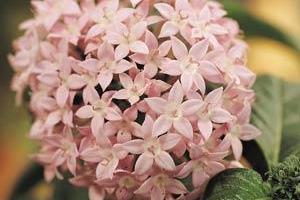
Lilacs are known for their very fragrant and beautiful flowers. Depending on environmental conditions, the bloom time ranges from early spring to early summer. The flowers are borne in clusters.Most Lilacs require cold winters to promote the best set of blooms.
Lilac (Syringa vulgaris) - Growth
Deciduous shrubs and small trees. Can take full sun, but will need light shade in the hottest of climates. Does very well in cold-Winter regions. All species are medium to large shrubs that don't have much appeal when out of bloom.
Lilac (Syringa vulgaris) - Planting
When planting into the ground, dig some lime into the transplantation soil to increase the pH. Sow seeds when ripe or in spring, in containers in a cold frame. Can also propagate from greenwood cuttings in early summer. Layer or bud in summer, graft in winter.
Lilac (Syringa vulgaris) - Pest
Frequent pests include caterpillars, borers, and scale insects. Syringa is also prone to powdery mildew, anthracnose, bacterial leaf spot, root know nematode, MLO, leafroll virus, dieback, witches' broom, and wilt.
Lilac (Syringa vulgaris) - Soil and irrigation
Does best with well-drained soil that is neutral to slightly alkaline. Mulch on a regular basis.