

Tradescantia x andersoniana
Spiderwort
Photo of Tradescantia x andersoniana - Spiderwort
No photo for the moment for Tradescantia x andersoniana - Spiderwort

Please note: You must be the owner of the posted photo and it must not be copyrighted.
Things You Must Knows cannot be held responsible for photos posted in violation of this rule
Common Name:
Plant Type:
Sun (From 0 to 5):
Water (From 0 to 5):
Maximum temperature:
Minimum temperature:
Maximum height:
Maximum width:
Spiderwort (Tradescantia x andersoniana) - Description
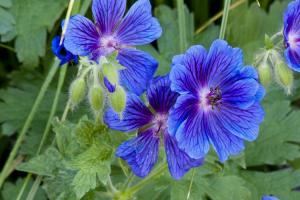
Spiderworts are woodland flowers native to the Americas. Leaves are long, thin and blade-like and flowers are most often bright blue.
Spiderwort (Tradescantia x andersoniana) - Blooming
Although most members of this genus are grown for their colorful foliage, some do have blue or pink flowers. The flowers are short-lived. Lengthen flowering by cutting back flowered stems.
Spiderwort (Tradescantia x andersoniana) - Growth
Evergreen perennials. Known for being nearly indestructible plants. They grow with trailing stems and do well as potted plants but suffices as a ground cover in climates that permit it. Some species can be invasive. Grows best in full sun or partial shade. Works well in a mixed or herbaceous border or in hanging baskets. Less hardy plants should be grown in a temperate or cool greenhouse, or as houseplants.
Spiderwort (Tradescantia x andersoniana) - Planting
Propagate tender species from stem-rip cuttings at any time. Insert first in soil mix or water before potting up. Hardy species can be propagated by division in fall or spring.
Spiderwort (Tradescantia x andersoniana) - Pest
Aphids and spider mites. Viruses also occur.
Spiderwort (Tradescantia x andersoniana) - Interesting facts
Tradescantia is often spotted growing on disturbed sites in North, Central, and South America. It's also found in woodlands and scrubs. The foliage can irritate the skin upon contact.
Spiderwort (Tradescantia x andersoniana) - Soil and irrigation
Water a moderate amount during the growing season, less in winter. Does best in rich, moist soil.