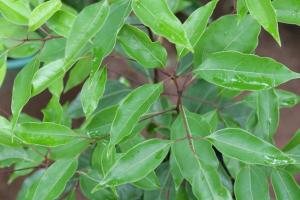


Vaccinium myrtillus
Bilberry
Photo of Vaccinium myrtillus - Bilberry
No photo for the moment for Vaccinium myrtillus - Bilberry

Please note: You must be the owner of the posted photo and it must not be copyrighted.
Things You Must Knows cannot be held responsible for photos posted in violation of this rule
Common Name:
Flower color:
Foliage color:
GreenSun (From 0 to 5):
Water (From 0 to 5):
Maximum temperature:
Minimum temperature:
Maximum height:
Maximum width:
Bilberry (Vaccinium myrtillus) - Description
Extremely hardy ground cover Billberry (or Blueberry)that is great for spreading over an area as an edible ground cover. Be careful if you have fertile moist soil for it may get a little too happy and spread rather invasively. Loads of pink bell shaped flowers transition to tasty blue berries by Mid summer. It can grow in slightly milder climates, but still needs lots of chilling hours to set fruit successfully.
Bilberry (Vaccinium myrtillus) - Blooming
Blooms bell-shaped or cylindrical flowers in white, green, pink, or red in spring and summer followed by spherical, edible berries. V. angustifolium var. laevifolium, V. ashei, V. corymbosum, and V. macrocarpon are grown primarily for their blueberries or cranberries.
Bilberry (Vaccinium myrtillus) - Growth
Evergreen, semi-evergreen, or deciduous shrubs and trees. Vacciniums do well in partial shade. Height varies depending on variety. One species will grow to approx. 12 ft. tall. Vaccinium works best in a shrub border, woodland garden, or rock garden.
Bilberry (Vaccinium myrtillus) - Planting
Propagate from the seed in fall. Sow in containers in a cold frame (for protection and to ensure hardiness). Can also propagate deciduous plants from greenwood cuttings in early summer. Evergreens from semi-ripe cuttings. Conduct layering in late summer.
Bilberry (Vaccinium myrtillus) - Pest
Caterpillars and scale insects. Vaccinium is also prone to gray mold, leaf and bud gall, rust, witches' broom, dieback, crow and root rot, and powdery mildew.
Bilberry (Vaccinium myrtillus) - Interesting facts
Vaccinium is grown for its flowers, foliage, and berries. The leaves of some deciduous species exhibit an attractive fall color.
Bilberry (Vaccinium myrtillus) - Soil and irrigation
Vacciniums require acidic, peaty or sandy soil that is well-draining yet kept moist.