

Viburnum sargentii
Sargent Viburnum
Photo of Viburnum sargentii - Sargent Viburnum
No photo for the moment for Viburnum sargentii - Sargent Viburnum

Please note: You must be the owner of the posted photo and it must not be copyrighted.
Things You Must Knows cannot be held responsible for photos posted in violation of this rule
Common Name:
Foliage color:
GreenSun (From 0 to 5):
Water (From 0 to 5):
Maximum temperature:
Minimum temperature:
Maximum height:
Maximum width:
Sargent Viburnum (Viburnum sargentii) - Description
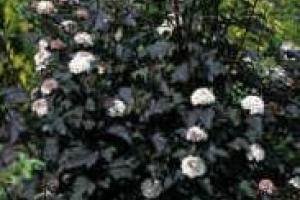
Viburnum sargentii is a species of flowering plant in the family Adoxaceae (formerly Caprifoliaceae), native to north eastern Asia. Growing to 3 m (10 ft) tall and broad, it is a substantial deciduous shrub with 3-lobed, maple-like leaves, often turning red in autumn. Flat white flower-heads (cymes) resembling those of lacecap hydrangeas are borne in early summer.
Sargent Viburnum (Viburnum sargentii) - Blooming
Blooms tubular flowers followed by ovoid red, blue, or black fruits. Some species produced flowers with fertile central flowers surrounded by sterile ray florets. Many are self incompatible. Fruiting is best when several seedlings of the same species are planted together, allowing cross pollination to occur.
Sargent Viburnum (Viburnum sargentii) - Growth
Evergreen, semi-evergreen, and deciduous shrubs and some trees. Viburnums do well in sun or part shade. Height varies depending on variety, but one species will grow to approx. 30 ft. tall. Viburnum works well in shrub border or woodland garden. Plants attract wildlife.
Sargent Viburnum (Viburnum sargentii) - Planting
Propagate from the seed in fall. Sow in containers in a cold frame or in a seedbed. Can also propagate deciduous plants from greenwood cuttings, and evergreens from semi-ripe cuttings, in summer.
Sargent Viburnum (Viburnum sargentii) - Pest
Aphids, weevils, Japanese beetles, tree hoppers, scale insects, and mealybugs. Viburnum is also prone to powdery mildew, downy mildew, rust, wood rot, and gray mold.
Sargent Viburnum (Viburnum sargentii) - Interesting facts
The flowers are sometimes fragrant. The fruits are toxic and can cause stomach discomfort upon consumption. Deciduous species color nicely in fall.
Sargent Viburnum (Viburnum sargentii) - Soil and irrigation
Most Viburnum species require regular irrigation and will tolerate alkaline and acidic soils.