

Aconitum lycoctonum
The Queen of Poisons
Photo of Aconitum lycoctonum - The Queen of Poisons
No photo for the moment for Aconitum lycoctonum - The Queen of Poisons

Please note: You must be the owner of the posted photo and it must not be copyrighted.
Things You Must Knows cannot be held responsible for photos posted in violation of this rule
Common Name:
Plant Type:
Flower color:
Foliage color:
GreenSun (From 0 to 5):
Water (From 0 to 5):
Maximum temperature:
Minimum temperature:
The Queen of Poisons (Aconitum lycoctonum) - Description
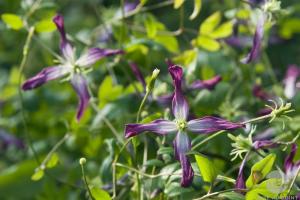
Aconitum lycoctonum (northern wolfsbane) (Hindi : Bikh बिख ) is a species of flowering plant in the genus Aconitum, of the family Ranunculaceae, native to Europe and northern Asia. Lycoctonum is a rendering in modern Latin of the traditional name "wolf's bane". It is an herbaceous perennial plant growing to 1 m tall. The leaves are palmately lobed with four to six deeply cut lobes. The flowers are 18–25 mm long, dark violet, rarely pale yellow. Like all species in the genus, it is poisonous.
The Queen of Poisons (Aconitum lycoctonum) - Growth
Aconitum plants do well in shade and one species of the plant will grow to approx. 5 ft. They also die back in the winter so it is important to note where they are in the garden and anticipate their return in spring.
The Queen of Poisons (Aconitum lycoctonum) - Planting
Late summer or early autumn sowing will provide color in the next year; otherwise, sow the seeds in springtime.
The Queen of Poisons (Aconitum lycoctonum) - Interesting facts
All parts of the plant are poisonous if ingested. One of the common names for this plant, Monkshood, is derived from the shape of the flowers. They look like little helmets or hoods.
The Queen of Poisons (Aconitum lycoctonum) - Soil and irrigation
Aconitum plants do well in rich soil with ample water.