

Calliandra haematocephala
Powderpuff Tree
Photo of Calliandra haematocephala - Powderpuff Tree
No photo for the moment for Calliandra haematocephala - Powderpuff Tree

Please note: You must be the owner of the posted photo and it must not be copyrighted.
Things You Must Knows cannot be held responsible for photos posted in violation of this rule
Common Name:
Foliage color:
GreenSun (From 0 to 5):
Water (From 0 to 5):
Maximum temperature:
Minimum temperature:
Maximum height:
Maximum width:
Powderpuff Tree (Calliandra haematocephala) - Description
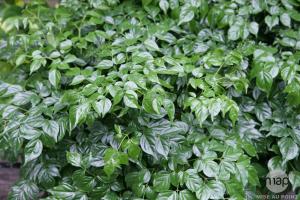
C. haematocephala is native to Bolivia. It bears leaflets that are glossy copper when new, turning dark green. It quickly grows to heights of 10 feet high or wide or more.
Powderpuff Tree (Calliandra haematocephala) - Blooming
Blooms look like powder puffs or feather dusters. Usually have long red, pink or white stamens and small, bell shaped flowers.
Powderpuff Tree (Calliandra haematocephala) - Growth
Evergreen perennials, shrubs, and small trees. Calliandra includes about 200 species. Can get to 5 ft. tall and just as wide. Generally thrives in full sun. In general, only the shrubs and trees are cultivated. Grow Calliandra in a warm greenhouse in frost prone areas. A warm greenhouse has a minimum temperature of 55°F (13°C). During the day, temperatures should be set to 55-64°F (13-18°C) or above, and at night, the temperature should be at 55°F (13°C). In warmer areas, grow Calliandra in a shrub border.
Powderpuff Tree (Calliandra haematocephala) - Planting
In spring, sow seeds at 61-61°F (16-18°C). In summer, root semi-ripe cuttings. Semi-ripe cuttings are cuttings taken from semi-mature wood. Also, layer in spring. Layering is a propagation method where a stem is pegged to the soil while still attached to the parent plant. This process induces rooting.
Powderpuff Tree (Calliandra haematocephala) - Pest
Spider mites and mealybugs can cause problems. Other issues include dieback and fungal leaf spots.
Powderpuff Tree (Calliandra haematocephala) - Soil and irrigation
Water needs vary per species. Does best in fertile, well-drained soil. Water freely from early summer to autumn, moderately in winter.