

Carya ovata
Shagbark Hickory
Photo of Carya ovata - Shagbark Hickory
No photo for the moment for Carya ovata - Shagbark Hickory

Please note: You must be the owner of the posted photo and it must not be copyrighted.
Things You Must Knows cannot be held responsible for photos posted in violation of this rule
Common Name:
Flower color:
Sun (From 0 to 5):
Water (From 0 to 5):
Maximum temperature:
Minimum temperature:
Maximum height:
Maximum width:
Shagbark Hickory (Carya ovata) - Description
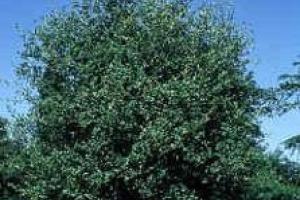
Carya ovata, the shagbark hickory, is a common hickory in the eastern United States and southeast Canada. It is a large, deciduous tree, growing up to 27 metres (89 ft) tall, and will live up to 200 years. Mature shagbarks are easy to recognize because, as their name implies, they have shaggy bark.
Shagbark Hickory (Carya ovata) - Blooming
Flowers are inconspicuous, but flowers are followed by nuts. Pecans will alternate years in which they have heavy blooms and nut production.
Shagbark Hickory (Carya ovata) - Growth
Deciduous trees. Does best with full sun. Pecans can reach 70 ft. in height and just as wide. Known for their nuts, Pecans have the highest yields in climates with long hot summers. Grow as ornamental trees on lawns or woodland gardens. Carya attracts wildlife. In areas with warm summer, grow C. illinoinensis (Pecan) for its edible nuts.
Shagbark Hickory (Carya ovata) - Planting
Pecans get big, plant accordingly. Sow seeds when ripe. If growing in a seedbed, transplant as soon as possible.
Shagbark Hickory (Carya ovata) - Pest
Fungal leaf spots, powdery mildew, crown gall, and catkin blight can occur.
Shagbark Hickory (Carya ovata) - Interesting facts
Many species produce nuts, but not all are appetizing. C. glabra produces thin-shelled nuts that are bitter tasting. Nuts from C. cordiformis are thick-shelled and unpalatable. C. illinoinensis (Pecan) and C. ovata (Shagbark hickory) are the most cultivated species for their edible, thick-shelled nuts.
Shagbark Hickory (Carya ovata) - Soil and irrigation
Needs regular water. Does best in deep, fertile soil. Must be moist, but well-drained soil.