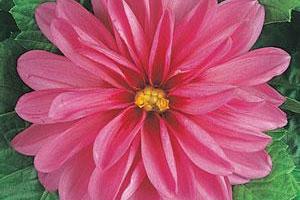


Celastrus orbiculatus
Oriental Bittersweet
Photo of Celastrus orbiculatus - Oriental Bittersweet
No photo for the moment for Celastrus orbiculatus - Oriental Bittersweet

Please note: You must be the owner of the posted photo and it must not be copyrighted.
Things You Must Knows cannot be held responsible for photos posted in violation of this rule
Common Name:
Plant Type:
Flower color:
Foliage color:
GreenSun (From 0 to 5):
Water (From 0 to 5):
Maximum temperature:
Minimum temperature:
Oriental Bittersweet (Celastrus orbiculatus) - Description
Celastrus orbiculatus is a woody vine of the Celastraceae family. It is commonly called Oriental bittersweet. Other common names include Chinese bittersweet, Asian bittersweet, Round-leaved bittersweet, and Asiatic bittersweet. Celastrus orbiculatus was introduced into North America in 1879, and is considered to be an invasive species in eastern North America.
Oriental Bittersweet (Celastrus orbiculatus) - Blooming
Known for its yellow-orange autumn fruits. Birds avoid the fruit so they will often persist through winter. To ensure fruit production, plant atleast one male plant with many females.
Oriental Bittersweet (Celastrus orbiculatus) - Growth
Twining, woody climbers. Does best in full sun. Bittersweets are deciduous vines that are grown for their interesting summer fruits. Very vigorous growth. Don't allow the vine to grow up or around shrubs or trees as they can girdle them. Train Celastrus against a wall, fence, pergola, or up a tree.
Oriental Bittersweet (Celastrus orbiculatus) - Planting
When ripe, or in spring, sow seeds in an open frame using containers.
Oriental Bittersweet (Celastrus orbiculatus) - Pest
Problems include powdery mildew, fungal leaf spots, and canker.
Oriental Bittersweet (Celastrus orbiculatus) - Interesting facts
Celastrus is a popular garden plant because of its colorful autumn fruits. When ripe, the bead-like fruits will split open to expose pink or red seeds.
Oriental Bittersweet (Celastrus orbiculatus) - Soil and irrigation
Since Bittersweets can have vigorous growth, growing them in poor soils helps manage their size. Does best in well-drained soil.