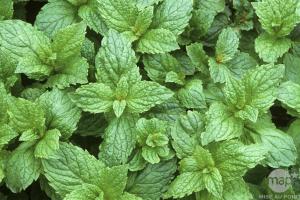


Cissus rhombifolia
Grape Ivy
Photo of Cissus rhombifolia - Grape Ivy
No photo for the moment for Cissus rhombifolia - Grape Ivy

Please note: You must be the owner of the posted photo and it must not be copyrighted.
Things You Must Knows cannot be held responsible for photos posted in violation of this rule
Common Name:
Plant Type:
Sun (From 0 to 5):
Water (From 0 to 5):
Maximum temperature:
Minimum temperature:
Maximum height:
Grape Ivy (Cissus rhombifolia) - Description
C. rhombifolia is native to South America. It bears beautiful diamond-shaped, toothed dark green leaves. It's veins on the undersides of the leaves have reddish hairs, giving the foliage a bronze overtone. It is a popular houseplant, tolerating low light environments.
Grape Ivy (Cissus rhombifolia) - Blooming
Encourage bushiness by pinching out young plants. Blooms inconspicuous, 4-petaled yellow flowers in summer, followed by blue, red, purple, or black berries. The berries are dry and often distasteful.
Grape Ivy (Cissus rhombifolia) - Growth
Evergreen perennials, shrubs, and climbers. Some species have succulent stems or roots. Cissus plants will grow vines that are 6-50 ft. long depending on variety. Non-succulents do best in sun or partial shade, while succulents enjoy full sun. In areas where Cissus does not grow hardy, grow as houseplants, or in a warm greenhouse. A warm greenhouse has a minimum temperature of 55°F (13°C). During the day, temperatures should be set to 55-64°F (13-18°C) or above, and at night, the temperature should be at 55°F (13°C). Climbing species, in warm areas, work well over a pergola, arbor, wall, or tree stump.
Grape Ivy (Cissus rhombifolia) - Planting
Can propagate by rooting hardwood cuttings in summer. Hardwood cuttings are cuttings taken from mature wood. Succulents can be propagated by sowing seeds in spring at 70°F (21°C), or by using stem cuttings in summer.
Grape Ivy (Cissus rhombifolia) - Pest
Spider mites, mealybugs, and whiteflies. Other problems include aerial blight, stem and root rot, leaf spots, powdery mildew, and downy mildew.
Grape Ivy (Cissus rhombifolia) - Interesting facts
In antiquity, Cissus was used to help treat ligament and tendon injuries. Today suppliments made from are used to promote bone growth and combat arthritus.
Grape Ivy (Cissus rhombifolia) - Soil and irrigation
The Cissus plant is not fussy about soil type or water. Does best with well-draining soils. Succulents should be kept dry in winter, but both non-succulents and succulents can be watered moderately to freely at other times.