

Coreopsis rosea
Pink Threadleaf Coreopsis
Photo of Coreopsis rosea - Pink Threadleaf Coreopsis
No photo for the moment for Coreopsis rosea - Pink Threadleaf Coreopsis

Please note: You must be the owner of the posted photo and it must not be copyrighted.
Things You Must Knows cannot be held responsible for photos posted in violation of this rule
Common Name:
Foliage color:
GreenSun (From 0 to 5):
Water (From 0 to 5):
Maximum temperature:
Minimum temperature:
Maximum height:
Maximum width:
Pink Threadleaf Coreopsis (Coreopsis rosea) - Description
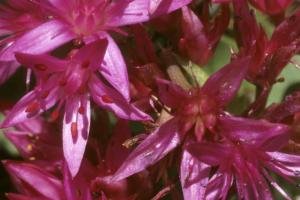
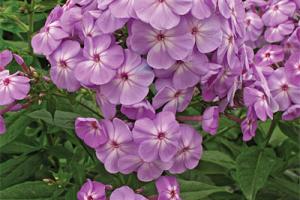
Coreopsis rosea is a plant species of the genus Coreopsis in Asteraceae. Coreopsis species are commonly called tickseeds. It is native to eastern North America, in a number of Atlantic states and Nova Scotia, Canada. It grows in wet areas such as marsh edges. Unlike most Coreopsis species, the ray florets are pink to white (instead of yellow).
Pink Threadleaf Coreopsis (Coreopsis rosea) - Blooming
Flower colors vary in this genus but include yellow, orange, maroon and red. Coreopsis produces daisy-like flowerheads that attract bees. Deadhead to lengthen flowering period.
Pink Threadleaf Coreopsis (Coreopsis rosea) - Growth
Annuals and perennials. These easy to grow plants need full sun or partial shade. Many perennials are grown as annuals. Grow Coreopsis in borders that are herbaceous, annual, or mixed.
Pink Threadleaf Coreopsis (Coreopsis rosea) - Planting
Easily sown by seed. Once established, the plant will self sow itself. Perennial members of this genus can also be divided for propagation. Division entails propagating a plant by splitting it into 2 or more parts. Each part has its own root system and more than one shoot or dormant bud.
Pink Threadleaf Coreopsis (Coreopsis rosea) - Pest
Snails and slugs. Other problems include aster yellows, fungal and bacterial spots, rust, flower blight, powdery mildew, and downy mildew.
Pink Threadleaf Coreopsis (Coreopsis rosea) - Soil and irrigation
Most species require little to moderate water. Does best with well-draining soils.