

Cornus kousa
Kousa Dogwood
Photo of Cornus kousa - Kousa Dogwood
No photo for the moment for Cornus kousa - Kousa Dogwood

Please note: You must be the owner of the posted photo and it must not be copyrighted.
Things You Must Knows cannot be held responsible for photos posted in violation of this rule
Common Name:
Flower color:
Foliage color:
GreenSun (From 0 to 5):
Water (From 0 to 5):
Maximum temperature:
Minimum temperature:
Maximum height:
Maximum width:
Kousa Dogwood (Cornus kousa) - Description
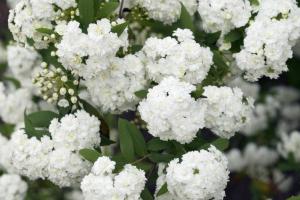
C. kousa is native to Japan and Korea. It can be a big multistemmed shrub or a small tree. It bears green 4 inch long leaves with rusty brown hairs at the base of veins on the undersurface. It bears creamy white narrow 2 to 3 inch long bracts with pointy pink edges. Red fruits appear resembling large raspberries in the late summer and fall.
Kousa Dogwood (Cornus kousa) - Blooming
What appears to be flower petals borne on the branches of the Dogwood are actually colorful bracts that subtend the true and less conspicuous flower. Some bracts can be white or pink, but all offer fantastic "floral" displays in your garden. Followed by clusters of berriers.
Kousa Dogwood (Cornus kousa) - Growth
Dogwoods are deciduous small trees and shrubs. There are several species in this genus: some that are deciduous and some that are evergreen. They generally do well with full sun or light shade, although some species can tolerate less sun. The Giant Dogwood (C. controversa) can grow to 60 ft. tall, but members of this genus don't even reach half of that. Grow plants with desirable winter stems in full sun for the best color.
Kousa Dogwood (Cornus kousa) - Planting
Propagate from the seed or from cuttings. Sow seeds in a seedbed in fall.
Kousa Dogwood (Cornus kousa) - Pest
Common pests include thrips, leafhoppers, root knot nematodes, twig borers, sawfly, aphids, borers, and scale insects. Other issues are powdery mildew, bacterial leaf spot, mushroom root rot, blight, canker, and spot anthracnose.
Kousa Dogwood (Cornus kousa) - Interesting facts
The leaves of Dogwoods are interesting for more reasons than just offering beautiful foliage to your garden. They have very strong, plastic-like vascular tissues that can be stretched without breaking. The tip of the leaf can be pulled away from the base of the leaf in the middle of the blade and will appear to "magically" float in the air. The tip of the leaf will be held to the base of the leaf by the plastic-like vascular bundles that are white in color and more difficult to see.
Kousa Dogwood (Cornus kousa) - Soil and irrigation
Most Dogwoods do best with regular watering. Many prefer neutral to acidic, fertile, and well-draining soil.