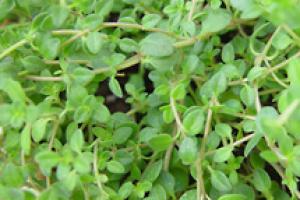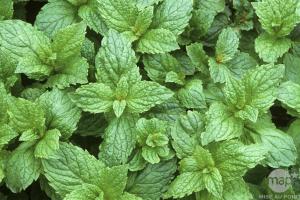


Salvia viridis 'Oxford Blue'
Annual Clary
Photo of Salvia viridis 'Oxford Blue' - Annual Clary
No photo for the moment for Salvia viridis 'Oxford Blue' - Annual Clary

Please note: You must be the owner of the posted photo and it must not be copyrighted.
Things You Must Knows cannot be held responsible for photos posted in violation of this rule
Common Name:
Plant Type:
Foliage color:
GreenSun (From 0 to 5):
Water (From 0 to 5):
Maximum temperature:
Minimum temperature:
Maximum height:
Maximum width:
Annual Clary (Salvia viridis 'Oxford Blue') - Description
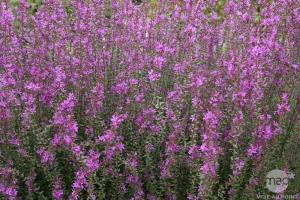
Many blue sages don't bloom until summer is nearly over, but this old fashioned favorite yields a profusion of long-lasting violet-blue flowers starting in early summer. Growing to 20" tall, it is well suited for fresh and dried arrangements. May over-winter in mild climates so it is great for warmer regions, and can hold it's own in a low water garden.
Annual Clary (Salvia viridis 'Oxford Blue') - Blooming
Flowers are 2-lipped and range in color from white, yellow, salmon, pink, red and scarlet. For continued blooming, deadhead flowers.
Annual Clary (Salvia viridis 'Oxford Blue') - Growth
Most every sage plant thrives in full sun. Provide low to moderate humidity. Keep the soil around the roots cool. For continual harvest through winter, remove sage from the ground in late fall and pot up in containers.
Annual Clary (Salvia viridis 'Oxford Blue') - Planting
Plant sages in areas with good air circulation to prevent mold germination. Sow seeds of annuals in spring (don't allow the average temperature to dip below 60ºF); biennials in containers in summer; and perennials in containers in spring.
Annual Clary (Salvia viridis 'Oxford Blue') - Pest
Sages are susceptible to mildew and other fungal diseases. Aphids, mealybugs, spider mites and whiteflies.
Annual Clary (Salvia viridis 'Oxford Blue') - Interesting facts
Salvia is the largest genus in the Mint family at around 900 species. The flowers of Sage plants attract bees, hummingbirds and butterflies. Most Sages have very aromatic foliage. The genus name Salvia is derived from the Latin term "salvare" which means "to heal" or "to save".
Annual Clary (Salvia viridis 'Oxford Blue') - Soil and irrigation
Sages require good drainage, especially when they reach the wintertime. Freezes are more lethal when sages are sitting in soggy soils. Prefers rich loam.