

Equisetum hyemale
Horsetail
Photo of Equisetum hyemale - Horsetail
No photo for the moment for Equisetum hyemale - Horsetail

Please note: You must be the owner of the posted photo and it must not be copyrighted.
Things You Must Knows cannot be held responsible for photos posted in violation of this rule
Common Name:
Sun (From 0 to 5):
Water (From 0 to 5):
Maximum temperature:
Minimum temperature:
Maximum height:
Horsetail (Equisetum hyemale) - Description
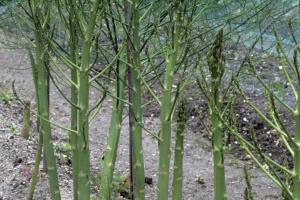
Equisetum hyemale (rough horsetail or scouring rush), known in South Africa as snake grass, is a species of horsetail native to moist forests, forest edges and stream banks, swamps and fens throughout the Holarctic Kingdom. Equisetum hyemale is commonly known as scouring rush. It is evergreen, the masses of its stems appearing very dark green in winter. It forms dense clonal colonies, and is often found along rivers and railroad tracks. It withstands heavy flooding.
Horsetail (Equisetum hyemale) - Blooming
No flowers. Instead, Horsetails reproduce by spores. Light-brown strobili appear on the stem tips from summer to fall.
Horsetail (Equisetum hyemale) - Growth
It is best to grow Equisetum in containers because they are highly invasive plants. Sink the containers into the ground with the lip kept above ground level. For aquatic species, emerge plants up to 6" (15cm) deep in the water. Make sure to raise Horsetails in a site that receives full sun.Aquatic Horsetails work great for water gardens. Where not hardy, grow aquatic Equisetum at indoor pool margins.
Horsetail (Equisetum hyemale) - Planting
Propagate from divisions in spring or fall and plant the divisions right after removal.
Horsetail (Equisetum hyemale) - Pest
Affected by root rot or blight on occasion.
Horsetail (Equisetum hyemale) - Interesting facts
Horsetails have an interesting history. First off, they are known to be an "ancient" plant. They don't produce flowers or fruit, and their leaves are not made for collecting energy from the sun. The fossil record shows that they (or at least closely related species) were around at the same time that dinosaurs were.Additionally, they are sometimes called Scouring Rush, which is a play on words for scouring brush. This is because of a physical quality of their stems. Horsetails absorb a relatively high amount of silica from the soil, which they deposit in their stems. This is thought to give the stems some extra physical strength. Silica is basically glass and the linear deposits of silica in the stems give the Horsetails a rough feel to it. Early pioneers would pluck some stems and use them to scour their dirty pots and pans. You shouldn't worry too much about the constant plucking of Horsetails to use as a scouring brush. They have a vigorous, underground root and stem system that can pop up new stems quickly.
Horsetail (Equisetum hyemale) - Soil and irrigation
Use a soil-based potting mix for dry-land species and water moderately during the growing season. Soilless potting mix works best for aquatic Horsetails.