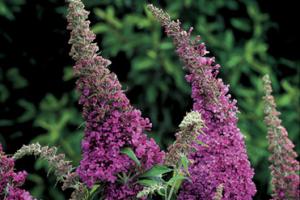


Lilium lancifolium
Tiger Lily
Photo of Lilium lancifolium - Tiger Lily
No photo for the moment for Lilium lancifolium - Tiger Lily

Please note: You must be the owner of the posted photo and it must not be copyrighted.
Things You Must Knows cannot be held responsible for photos posted in violation of this rule
Common Name:
Foliage color:
GreenSun (From 0 to 5):
Water (From 0 to 5):
Maximum temperature:
Minimum temperature:
Maximum height:
Maximum width:
Tiger Lily (Lilium lancifolium) - Description
A color mix of Tiger Lilies in pink, white, yellow, red and orange. Open faced flowers with maroon or brown spots.
Tiger Lily (Lilium lancifolium) - Blooming
Lilies are known for their beautiful flowers and have been hybridized fervently since the 1920's. There are several classes of flowers in the Lilium genus including Asiatic hybrids, Aurelian hybrids (Trumpet Lilies), Oriental hybrids and interdivisional hybrids. Many of the Aurelian hybrids have pleasant but strong scents.
Tiger Lily (Lilium lancifolium) - Growth
Very diverse genus of plants ranging in size from 1 ft. tall to 9 ft. tall. In climates with cooler Summers, Lilies can withstand full sun exposure. Generally, however, they perform best in filtered sun or afternoon shade.
Tiger Lily (Lilium lancifolium) - Planting
Plant bulbs in the Autumn or Spring. Remove any injured bulb tissue and let the bulb callus over in a cool dry place for a few hours before planting. Dig at least 1 ft. of soil, then backfill the now loosened soil so the bulb will be placed at the appropriate height in the soil (planting depths vary amongst the species and varieties).
Tiger Lily (Lilium lancifolium) - Pest
Lilies are susceptible to viral infections. To remedy viral infections, dig out and destroy and lilies that have mottled leaves or severely stunted growth (if it had recently hailed, mottled leaves and severely stunted growth can most likely be linked to that). Deer, rabbits, groundhogs, and voles consume entire plants. Birds may peck at buds, creating holes. Slugs, snails, and red lily beetles are also problems. Gray mold occurs under wet conditions.
Tiger Lily (Lilium lancifolium) - Interesting facts
There are about 100 species of Lilium, but many garden hybrids also exist. Lillies are endemic to the woody and scrub sites of Europe, Asia south to the Philippines, and North America.
Tiger Lily (Lilium lancifolium) - Soil and irrigation
Lilies rarely go dormant; therefore, they generally require regular water year round. Water when the top 2 inches of soil has dried out. Since many lilies have tall floral stems, it may be best to flood the soil versus using overhead irrigation. Overhead watering can topple tall stems.