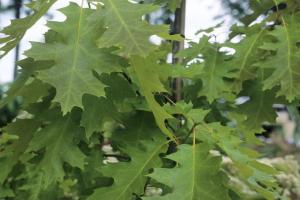


Myrica pensylvanica
Northern Bayberry
Photo of Myrica pensylvanica - Northern Bayberry
No photo for the moment for Myrica pensylvanica - Northern Bayberry

Please note: You must be the owner of the posted photo and it must not be copyrighted.
Things You Must Knows cannot be held responsible for photos posted in violation of this rule
Common Name:
Flower color:
Foliage color:
GreenSun (From 0 to 5):
Water (From 0 to 5):
Maximum temperature:
Minimum temperature:
Maximum height:
Maximum width:
Northern Bayberry (Myrica pensylvanica) - Description
Semi-evergreen or deciduous shrub with fragrant foliage. The females bear small, wax-covered gray-white fruit.
Northern Bayberry (Myrica pensylvanica) - Blooming
Inconspicuous catkins.
Northern Bayberry (Myrica pensylvanica) - Growth
Evergreen and deciduous, a few species are shrubs and small trees grown for aromatic foliage and small berries. Depending on species, they grow to 4 feet to 20-30 feet.
Northern Bayberry (Myrica pensylvanica) - Planting
Vary in requirements. Propagate from seeds by first removing wax coating; two month of cold stratification may help. M. cerifera is propagated from semi hardwood cuttings in early summer or root cuttings in winter.
Northern Bayberry (Myrica pensylvanica) - Pest
Myrica is susceptible to dieback, stem rots, root rots, rust, and leaf spots.
Northern Bayberry (Myrica pensylvanica) - Interesting facts
The waxy fruit is indigestable to some birds, but attracts others and is a good winter food source for Yellow-rumped Warblers in particular. The fruit can also be eaten by people, notably Myrica rubra, and its wax used to make candles.
Northern Bayberry (Myrica pensylvanica) - Soil and irrigation
Varies by species. Many can withstand some challenging conditions such as drought or boggy sites. Humus-rich, well-drained soil is best.