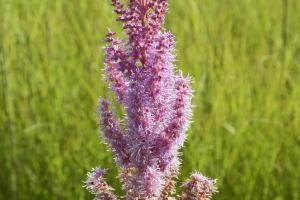
Rumex sanguineus
Bloody Dock
Photo of Rumex sanguineus - Bloody Dock
No photo for the moment for Rumex sanguineus - Bloody Dock

Please note: You must be the owner of the posted photo and it must not be copyrighted.
Things You Must Knows cannot be held responsible for photos posted in violation of this rule
Common Name:
Plant Type:
Sun (From 0 to 5):
Water (From 0 to 5):
Maximum temperature:
Minimum temperature:
Maximum height:
Maximum width:
Bloody Dock (Rumex sanguineus) - Description
Grown for its distinctive, eye-catching foliage. Spikes of delicate, star shaped blooms add modest interest. Space 12" apart.
Bloody Dock (Rumex sanguineus) - Growth
Does best in full sun. Grows similarly to spinach, but is more heat tolerant.
Bloody Dock (Rumex sanguineus) - Planting
Easily propagated by seed. Plant in the garden in early spring when there is no longer a threat of frost.
Bloody Dock (Rumex sanguineus) - Interesting facts
If you've ever driven through low altitude areas of California in the summer time you have most likely seen a Rumex plant and maybe not even have known. Among the dried grasses and roadside plants, you may see a tall, mostly red plant. That weed that happens to stand out from the rest of the flora is Rumex crispus, Curly Dock. Although it is not native to California, it has found the climate to be rather suitable and has since become a noxious weed since its introduction. Many species of Rumex are edible, with the most popular kinds called Garden Sorrel or French Sorrel. Leaves of the French Sorrel taste like lemon, which is a result of a relatively high concentration of oxalic acid in the leaves.
Bloody Dock (Rumex sanguineus) - Soil and irrigation
Does best in fertile, well-drained soil.