Cirsium japonicum
Japanese Thistle
Photo of Cirsium japonicum - Japanese Thistle
No photo for the moment for Cirsium japonicum - Japanese Thistle

Please note: You must be the owner of the posted photo and it must not be copyrighted.
Things You Must Knows cannot be held responsible for photos posted in violation of this rule
Common Name:
Plant Type:
Foliage color:
WhiteSun (From 0 to 5):
Water (From 0 to 5):
Maximum temperature:
Minimum temperature:
Maximum height:
Maximum width:
Japanese Thistle (Cirsium japonicum) - Description
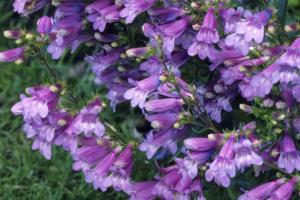
Rosy purple, thistle-like flowers are showy in garden; excellent for fresh or dried arrangements. Easily grown; does best in cool weather.
Japanese Thistle (Cirsium japonicum) - Blooming
Their flowers are known for having subtending "spines", but not all species have them. Flowers, borne in early and mid-summer, can be purple, red, yellow, and sometimes white. For earlier bloom, start seeds indoors in a well-lighted area 6-8 weeks before last spring frost.
Japanese Thistle (Cirsium japonicum) - Growth
Biennials and perennials. Most Thistles do well in climates that have hot, dry summers. Grows best in full sun. Fast-spreading by way of rhizomes or self-seeding. Species, such as C. japonicum and C. rivulare, are suitable for borders or damp meadows in a wild garden.
Japanese Thistle (Cirsium japonicum) - Planting
Can be seed sown. Freely self-sows and can become quite weedy. Conduct division of perennials between fall and spring. Division entails propagating a plant by splitting it into 2 or more parts. Each part has its own root system and more than one shoot or dormant bud.
Japanese Thistle (Cirsium japonicum) - Pest
Common problems include powdery mildew and rust.
Japanese Thistle (Cirsium japonicum) - Interesting facts
Cirsium occurs in an array of habitats such as streamsides, moorland meadows, and grassy mountain slopes. There are around 200 known species, most of which are invasive.
Japanese Thistle (Cirsium japonicum) - Soil and irrigation
Tolerant of many soil types, but generally perform best in well-drained soils that are kept moist.