

Phlox spp.
Phlox
Photo of Phlox spp. - Phlox
No photo for the moment for Phlox spp. - Phlox

Please note: You must be the owner of the posted photo and it must not be copyrighted.
Things You Must Knows cannot be held responsible for photos posted in violation of this rule
Common Name:
Plant Type:
Flower color:
Foliage color:
GreenSun (From 0 to 5):
Water (From 0 to 5):
Maximum temperature:
Minimum temperature:
Maximum height:
Maximum width:
Phlox (Phlox spp.) - Description
This carefree favorite has carpet-like, semi-evergreen foliage and masses of flowers, a fine cover for spring bulbs. Spreads rapidly, making a good ground cover.
Phlox (Phlox spp.) - Blooming
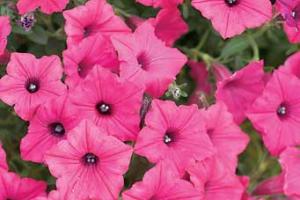
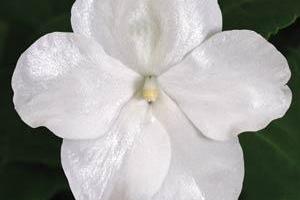
Blooms salverform flowers in shades of white, pink, purple, and blue. Attracts butterflies. Lengthen the flowering period by deadheading regularly.
Phlox (Phlox spp.) - Growth
Evergreen or herbaceous perennials with some annuals and shrubs. Annuals enjoy full sun. Perennials and shrubs grow best in full sun or light-partial shade. The flowers of tall Phlox species are suitable for cutting. Mat-forming species work well in a rock garden, and annuals are good for bedding.
Phlox (Phlox spp.) - Planting
Sow annual seeds at 55-64°F (12-18°C) in early spring. Sow seeds of perennials in containers in cold frames in spring.
Phlox (Phlox spp.) - Pest
Stem nematodes, caterpillars, and leaf miners. Additional problems include powdery mildew, Southern blight, leaf spots, rust, and stem canker.
Phlox (Phlox spp.) - Interesting facts
All species of Phlox are native to North America, except for one, which grows in Siberia.
Phlox (Phlox spp.) - Soil and irrigation
Members of the Phlox genus need regular water except for P. nana, which does fine with little water. All species require rich, well-drained soil.