

Rhododendron polycladum
Azalea
Photo of Rhododendron polycladum - Azalea
No photo for the moment for Rhododendron polycladum - Azalea

Please note: You must be the owner of the posted photo and it must not be copyrighted.
Things You Must Knows cannot be held responsible for photos posted in violation of this rule
Common Name:
Sun (From 0 to 5):
Water (From 0 to 5):
Maximum temperature:
Minimum temperature:
Azalea (Rhododendron polycladum) - Description
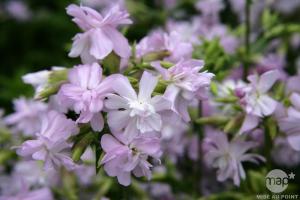
Rhododendron polycladum (多枝杜鹃) is a rhododendron species native to central and northwestern Yunnan in China, where it grows at altitudes of 3000–4300 meters. It is a shrub that grows to 1. 2 m in height, with leaves that are narrowly elliptic, elliptic, oblong, or lanceolate, 0. 6–1. 5 by 0. 2–0. 4 cm in size. Flowers are lavender to purple-blue.
Azalea (Rhododendron polycladum) - Blooming
Blooms in early Spring. There are many varieties of Rhododendrons and Azaleas that come in many different colors and styles.
Azalea (Rhododendron polycladum) - Growth
Rhododendrons do best with filtered sunlight. Generally, these plants will need more protection from the sun as the climate gets sunnier and hotter. They do best in cooler, temperate climates that have sufficient rainfall.
Azalea (Rhododendron polycladum) - Planting
Sow seeds in soil that is acidic as soon as the seeds are ripe or in early spring. Maintain the temperature between 55 and 65°F (18°C). It should be noted that Rhododendrons readily hybridize and seeds collected from your garden may produce offspring that do not closely resemble the parents.
Azalea (Rhododendron polycladum) - Pest
Prone to whitefly, lace bugs, scale, caterpillars and aphids. Susceptible to powdery mildew, leafy gall and root rot.
Azalea (Rhododendron polycladum) - Interesting facts
The name Rhododendron literally translates to "rose tree". The species R. catawbiense is found throughout the Appalachian Mountains. Not only is it the state flower of West Virginia, it is also on the state flag.
Azalea (Rhododendron polycladum) - Soil and irrigation
Need fast-draining soils that are rich and acidic. Does best if the soil also retains sufficient quantities of water (amend soil with organic matter to do so). These plants need more air in the root zone than most plants do. Plants that are yellowing and that have leaves that are dropping are most likely sitting in water and the roots are drowning.