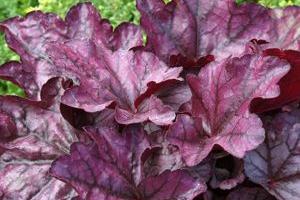


Saponaria officinalis
Common Soapwort
Photo of Saponaria officinalis - Common Soapwort
No photo for the moment for Saponaria officinalis - Common Soapwort

Please note: You must be the owner of the posted photo and it must not be copyrighted.
Things You Must Knows cannot be held responsible for photos posted in violation of this rule
Common Name:
Sun (From 0 to 5):
Water (From 0 to 5):
Maximum temperature:
Minimum temperature:
Common Soapwort (Saponaria officinalis) - Description
Saponaria officinalis is common perennial plant from the carnation family (Caryophyllaceae). This plant has many common names, including common soapwort, bouncing-bet, crow soap, wild sweet William, and soapweed. There are about 20 species of soapworts altogether. The scientific name Saponaria is derived from the Latin sapo (stem sapon-) meaning "soap," which, like its common name, refers to its utility in cleaning.
Common Soapwort (Saponaria officinalis) - Blooming
Clusters of five-petaled flowers, usually in shades of pink.
Common Soapwort (Saponaria officinalis) - Growth
Leaves are simple and usually lance shaped. Annuals and perennials. Some species half a foot to two feet tall.
Common Soapwort (Saponaria officinalis) - Planting
Can be grown from seed, but double-flowered forms do not come true and should be propagated vegetatively.
Common Soapwort (Saponaria officinalis) - Interesting facts
Saponarias, or Soapworts, are so named because the crush leaves and roots exude compounds that act as emulsifiers. These compounds are good as a natural soap. The plants are mildly toxic and should not be ingested.
Common Soapwort (Saponaria officinalis) - Soil and irrigation
Average, well-drained soil, preferably with neutral to alkaline pH. Sandy soil is fine.