

Vaccinium corymbosum 'Duke'
Northern Highbush Blueberry
Photo of Vaccinium corymbosum 'Duke' - Northern Highbush Blueberry
No photo for the moment for Vaccinium corymbosum 'Duke' - Northern Highbush Blueberry

Please note: You must be the owner of the posted photo and it must not be copyrighted.
Things You Must Knows cannot be held responsible for photos posted in violation of this rule
Common Name:
Foliage color:
GreenSun (From 0 to 5):
Water (From 0 to 5):
Maximum temperature:
Minimum temperature:
Maximum height:
Maximum width:
Northern Highbush Blueberry (Vaccinium corymbosum 'Duke') - Description
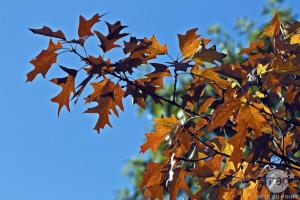
These native American varieties ripen in July and the harvest goes on for weeks. (You need two kinds for cross-pollination, three being even better.) The 5-6' tall bushes become a blaze of crimson in the fall, so they are ideal arranged as an informal hedge. Set plants 4-8' apart and make sure the soil is acid. You'll have fresh blueberries for pies and preserves for many, many years. Zones 4-8. Duke (Early) Very high yield for so early a blueberry. Medium to large, deep blue berries with mild flavor. Very cold hardy. Blooms late so it avoids frosts.
Northern Highbush Blueberry (Vaccinium corymbosum 'Duke') - Blooming
Spring flowers followed by blue fruits.
Northern Highbush Blueberry (Vaccinium corymbosum 'Duke') - Growth
Deciduous shrubs, native to North America. Grow blueberries in a sunny location. They work great as border shrubs, groundcover, or tall hedges. Attractive red to yellow foliage in fall.
Northern Highbush Blueberry (Vaccinium corymbosum 'Duke') - Planting
Purchase plants that are either bare root or in containers. Keep the plants moist before planting. Plant in early spring after the threat of frost has passed.
Northern Highbush Blueberry (Vaccinium corymbosum 'Duke') - Pest
Affected by blueberry maggot, cranberry weevil, and blueberry mite in some areas. Prone to plum curculio, phomopsis canker, root rot, mummyberry, and twig blight. Use sprays to control diseases and pests, and also remove dropped fruits and plant debris to discourage infestation. Keep an eye out for birds that like ripening fruits. Best to protect plants with netting or use noisemakers to ward of birds.
Northern Highbush Blueberry (Vaccinium corymbosum 'Duke') - Interesting facts
Blueberries are rich in antioxidants, making them one of the most beneficial fruits in disease prevention and anti-aging.
Northern Highbush Blueberry (Vaccinium corymbosum 'Duke') - Soil and irrigation
Blueberries lack root hairs and are shallow rooted, so drought can cause serious damage. Make sure to water weekly in warm areas that don't get regular summer rainfall--keep the top foot of soil moist. Providing a mulch of shredded bark, sawdust, or composed leaves about 6" deep will enhance water retention, keep the soil cool, and also prevent against weed growth. Blueberries like well-drained, acidic sandy loam soil (pH 4.5-5.5).