

Hypericum x 'Excellent Flair'
St. John's Wort
Photo of Hypericum x 'Excellent Flair' - St. John's Wort
No photo for the moment for Hypericum x 'Excellent Flair' - St. John's Wort

Please note: You must be the owner of the posted photo and it must not be copyrighted.
Things You Must Knows cannot be held responsible for photos posted in violation of this rule
Common Name:
Flower color:
Foliage color:
GreenSun (From 0 to 5):
Water (From 0 to 5):
Maximum temperature:
Minimum temperature:
Maximum height:
Maximum width:
St. John's Wort (Hypericum x 'Excellent Flair') - Description
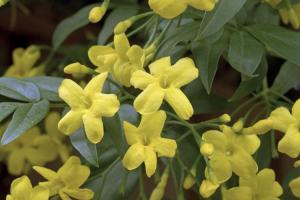
A mass of yellow flowers are followed by an exceptional red berry in August.
St. John's Wort (Hypericum x 'Excellent Flair') - Blooming
Flowers range in color from yellow to gold, blooming in the mid-summer. Blooms apear on new growth.
St. John's Wort (Hypericum x 'Excellent Flair') - Growth
Does best in full sun but in the hottest climates will require partial shade. These plants grow especially well in mild, moist climates. Evergreen species should be sheltered from cold, dry, winter winds.
St. John's Wort (Hypericum x 'Excellent Flair') - Planting
Sow the seeds in the autumn, but be aware that the seeds may not come true. Alternately, you can take softwood cuttings in the spring, or half-hardened cuttings in the summer.
St. John's Wort (Hypericum x 'Excellent Flair') - Pest
Rust is an issue with St. Johnswort. Remove any affected stems and leaf litter. Avoid watering at night especially if watering is done overhead. By watering in the morning, any moisture on the leaves will evaporate quicker in the sun giving less time for fungal spore germination.
St. John's Wort (Hypericum x 'Excellent Flair') - Interesting facts
Long used in traditional herbalism, St. John's-wort is thought to be useful to treat mild depression. Evidence of its efficacy, however, is mixed. Its use is shown to reduce the effectiveness of oral contraceptives.
St. John's Wort (Hypericum x 'Excellent Flair') - Soil and irrigation
Most North American species prefer damp conditions.